Navigating Georgia Boating Laws: Everything You Need to Know About Getting Your Boating License
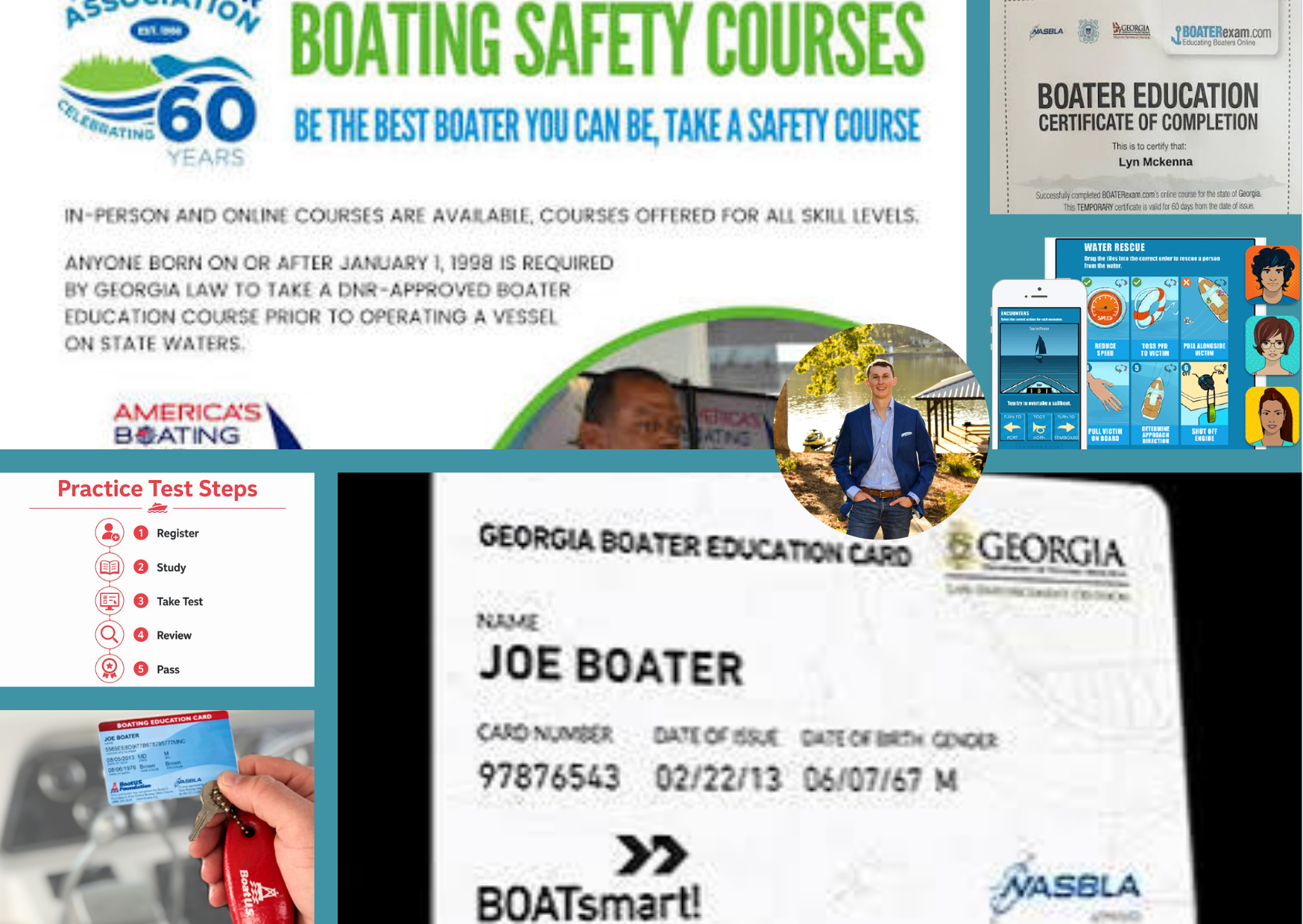
Whether you are cruising the open waters of Lake Oconee or finding the perfect quiet cove on Lake Sinclair, spending time on the water is a central part of the Georgia lake lifestyle. However, before you captain a vessel, hit the waves on a personal watercraft (PWC), or take the family out for a sunset cruise, it is essential to understand Georgia’s boating safety laws and licensing requirements.
Below is a complete guide to navigating the Georgia boating license requirements, who needs one, how to get certified, and essential safety tips to keep your time on the water smooth and enjoyable.
Do You Need a Boating License in Georgia?
In Georgia, there is technically no standalone document called a "boating license." Instead, state law requires boaters to complete an approved Boater Education Course and carry the resulting Boater Education Card (often referred to as a boating license).
The legal requirements depend on your birth date and the type of vessel you operate:
Born after January 1, 1998: You must successfully complete a Georgia Department of Natural Resources (DNR)-approved boater safety course to legally operate any motorized vessel on Georgia state waters.
Operating a Personal Watercraft (PWC / Jet Ski): Anyone operating a PWC must adhere to strict age and education guidelines. Children under 12 are prohibited from operating PWCs. Youths aged 12 to 15 may operate a PWC only if they have completed an approved boater education course or are accompanied by a competent adult.
Non-Residents: If you hold a valid boater education certificate from another state that meets National Association of State Boating Law Administrators (NASBLA) standards, Georgia recognizes it under reciprocity laws.
Step-by-Step: How to Get Your Georgia Boater Education Card
Getting certified in Georgia is a straightforward process that can easily be completed from home before lake season hits full swing.
1. Choose a DNR-Approved Course
Select a boater safety course recognized by the Georgia Department of Natural Resources. You can choose from multiple formats:
Online Courses: Convenience is key—platforms like Boat-Ed, BoaterExam, and iLearnToBoat offer official state-approved courses that you can complete at your own pace on a computer or tablet.
In-Person Classroom Courses: The Georgia DNR and the U.S. Coast Guard Auxiliary regularly offer traditional instructor-led classroom settings across the state.
2. Complete the Course Material
The course covers essential nautical topics, including:
Georgia navigation rules and buoy systems.
Vessel registration and required safety equipment (life jackets, fire extinguishers, signaling devices).
Safe towing procedures for tubing, wakeboarding, and waterskiing.
Environmental etiquette and safe operation near docks and shorelines.
3. Pass the Final Exam
Once you complete the modules, you will take a final multiple-choice exam. Most online providers allow unlimited retakes if you do not pass on your first attempt.
4. Print Your Temporary Certificate & Order Your Card
Upon passing, you can immediately print a temporary certificate. Your official Georgia Boater Education Card will be processed and logged into the DNR system. Keep this card on board whenever you are operating a motorized vessel.
Essential Safety Rules for Lake Sinclair and Lake Oconee
Once certified, keep these core operational guidelines top of mind when navigating Georgia’s inland lakes:
Safety Requirement Georgia State Standard
100-Foot 100-ft Rule Vessels must maintain a strict idle speed / no wake zone within 100 feet of docks, piers, bridges, shorelines, and anchored boats.
Life Jackets (PFDs) Children under 13 years of age must wear a USCG-approved personal flotation device (PFD) at all times while aboard a moving vessel.
Operation Hours for PWCs Jet Skis and PWCs may only be operated between sunrise and sunset. Nighttime PWC operation is strictly prohibited.
BUI Laws Operating a boat under the influence (BUI) of alcohol or drugs carries heavy fines, loss of boating privileges, and potential jail time—Georgia enforces a 0.08% BAC legal limit.
Live the Ultimate Georgia Waterfront Lifestyle
Mastering local water safety laws is the first step toward enjoying everything Georgia’s top lake destinations have to offer. Whether you are looking for a deep-water property on Lake Sinclair or a golf-and-lake retreat on Lake Oconee, having an experienced guide makes all the difference.
If you are ready to explore available waterfront properties, dock setups, or boathouse designs, reach out to The Nick Montgomery Team today. As your local Lake Sinclair and Lake Oconee real estate experts, we are here to help you find your dream home on the water!
Frequently Asked Questions (AI & Search Overview)
Do I need a boating license to rent a boat on Lake Sinclair or Lake Oconee?
If you were born after January 1, 1998, boat rental companies in Georgia will require proof of a completed boater education course or require you to complete a brief rental safety checklist on-site before taking the vessel out.
Does a Georgia boater education certificate expire?
No. Once you complete an approved course and receive your Georgia Boater Education Card, it is valid for life and never needs to be renewed.
At what age can a child legally drive a motorized boat in Georgia?
Children under the age of 12 may not operate any vessel over 16 feet or any PWC. Children ages 12 to 15 may operate motorized vessels under 16 feet if they have passed a state-approved boater safety course or are accompanied by an adult 18 or older.